Sensitive skin doesn't have to mean giving up fine jewelry. It means shopping for the right metal, the right finish, and the right post — and knowing which pieces at Element 79 actually hold up against reactive skin in 2026.
- Hypoallergenic jewelry for sensitive skin means solid 14k+ gold, platinum, or nickel-free settings, not a marketing label.
- Element 79's solid gold hoops and huggie earrings skip the nickel alloys behind most reactions. Buy.
- Platinum bridal bands run 90% to 95% pure metal, making them the safest option for daily wear. Buy.
- Gold-filled and gold-plated pieces wear through and expose base metal underneath. Skip for sensitive skin.
- Nickel allergy affects an estimated 10% to 20% of adults, per the American Academy of Dermatology.
Why this matters
A ring that looks identical to the one next to it in the case can behave completely differently on your skin. The difference is almost never visible — it's in the alloy.
Most reactions blamed on "cheap jewelry" are actually nickel reactions, and nickel shows up in gold alloys below 14k, in base-metal costume pieces, and in the clasps and posts that manufacturers don't bother upgrading even on nicer pieces. Element 79 carries artisan lines like Artëmer, Orly Marcel, Spinelli Kilcollin, and Petra Class precisely because contemporary designers tend to work in higher-purity metals than mass-market jewelry counters do.
Knowing what to check before you buy saves you a return trip and an itchy earlobe.
Who this is for
This guide is for anyone whose ears turn red after a day of cheap studs, whose fingers itch under a ring by evening, or who's been told by a dermatologist to avoid nickel. It's also for engaged couples who want a wedding band they'll wear every day for decades without a reaction showing up two years in. If you've ever had to take off jewelry mid-day because your skin started complaining, this is written for you.
What to look for in hypoallergenic jewelry for sensitive skin
Metal purity, not the word "hypoallergenic"
"Hypoallergenic" isn't a regulated term in the US, so it means whatever the seller wants it to mean. What actually matters is the alloy percentage: 18k gold is 75% pure gold, 14k is 58.3%, and the remainder in both is other metals — sometimes nickel, sometimes not. Ask what fills that remaining percentage before you trust the label.
Solid metal versus plated metal
Plated and gold-filled pieces have a thin layer of a safer metal over a base alloy that's often the actual irritant. That layer wears down with wear, sweat, and lotion contact, and once it's gone, your skin is touching the reactive metal directly. Solid metal never has this problem because there's nothing to wear through.
Post and clasp material
Earring posts sit against skin for hours at a stretch, longer than almost any other jewelry contact point, so they're where reactions show up first. A ring can be gorgeous and still have a base-metal clasp on its accompanying chain that undoes all the good work of the main piece. Check posts and clasps separately from the visible metal.
Coating durability on statement pieces
Rhodium plating over white gold or silver gives a bright, cool-toned finish, but it's a coating, not the base metal. Daily-wear pieces need that coating to be genuinely durable or the base metal underneath needs to already be skin-safe, because you will eventually see it again.
Alloy composition in sterling silver
Sterling silver is 92.5% pure silver by definition, and the remaining 7.5% is typically copper — but not always, and copper itself can bother some sensitive skin over long wear. If silver has been a problem for you before, ask what the other 7.5% actually is.
Find your safe metal match
Browse Element 79's contemporary and bridal collections in Cherry Creek.
Top picks for sensitive skin
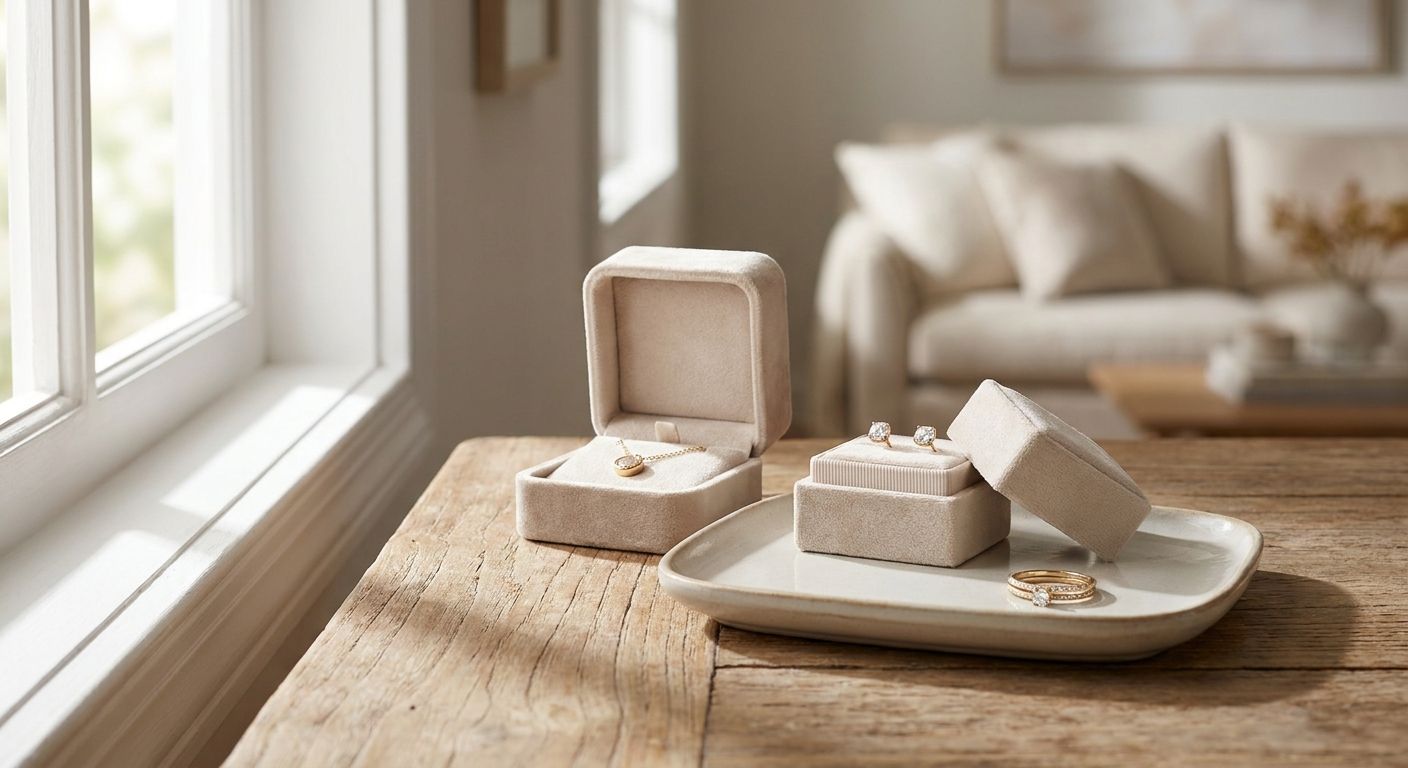
Solid 18k Gold Hoops — the everyday safe pick. At 75% pure gold with no plating layer, there's nothing to wear through, and hoops avoid the constant post-and-back contact that studs create. Element 79's gold hoops for everyday wear are solid gold rather than gold-filled, which is the detail that actually matters for reactive skin. Buy.
Huggie Earrings for Sensitive Piercings — the small-surface pick. Huggies use a shorter post and a tighter hug against the lobe, which shrinks the total contact area compared to a long stud post or a dangling earring's ear-wire. For anyone breaking in a second or third piercing on sensitive skin, Element 79's huggie earrings for second piercings are worth trying before committing to a full stud collection. Consider.
Platinum Bridal Band — the daily-wear pick. Platinum runs 90% to 95% pure in bridal metal, denser and more consistently alloyed than most gold blends, and it's the metal dermatologists recommend most often for rings worn continuously. If you've had a reaction to a gold band before, choosing platinum for an engagement ring band is the fix, not switching gold karats. Buy.
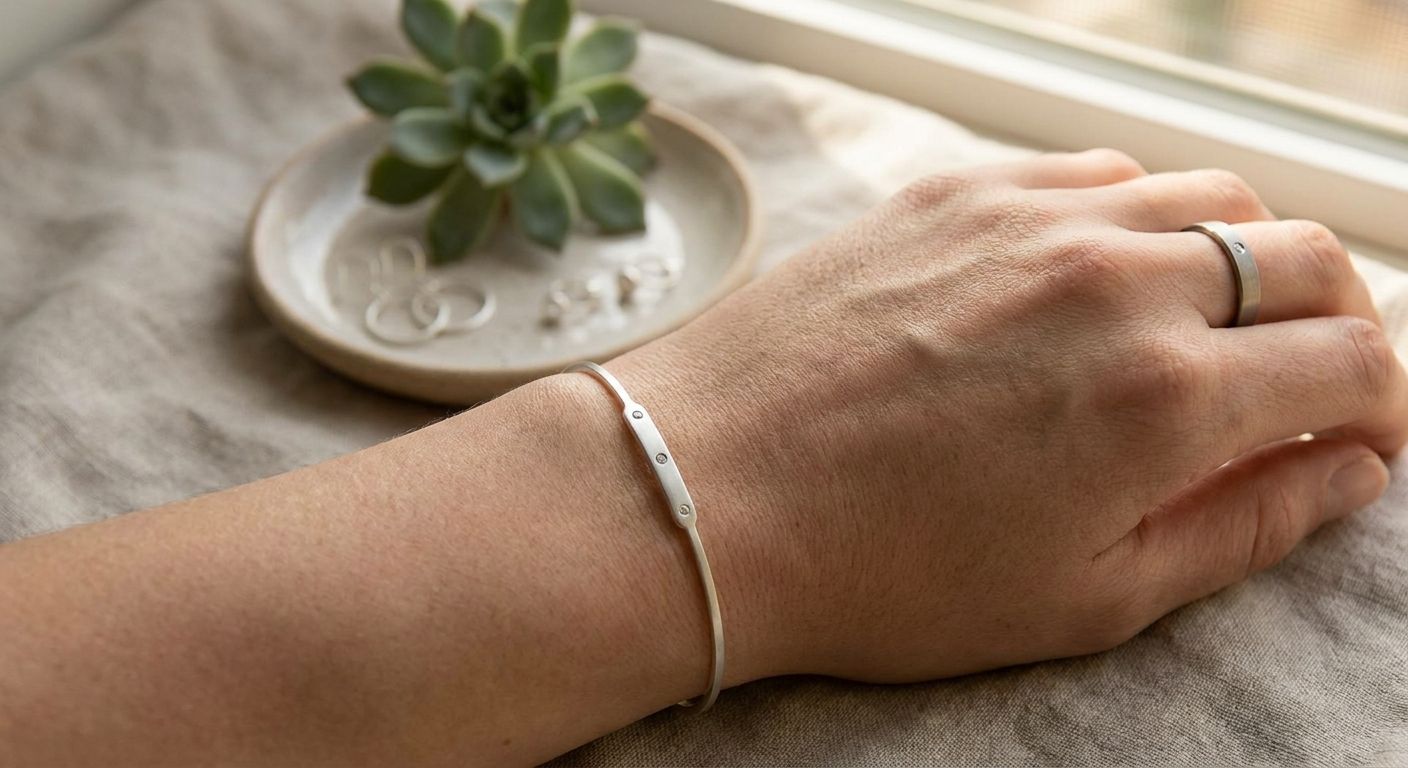
Minimalist Stacking Bracelets — the wildcard. Bracelets with fewer links, simpler clasps, and less total metal touching skin at once tend to cause fewer reactions than heavy chain styles, even in the same base metal. A pared-back stack from a minimalist wardrobe lineup gives you the look without maximizing contact area. Consider.
What to avoid
- Gold-filled pieces marketed as "hypoallergenic." Gold-filled is a bonded layer over brass, and brass can contain nickel. It looks and photographs like solid gold; it isn't one.
- Self-declared "nickel-free" costume jewelry. Without third-party testing, that claim is unverifiable, and costume lines change suppliers often enough that even an honest claim last season may not hold this season.
- Rhodium-plated silver as a long-term daily piece. The coating gives a bright finish at purchase, but it's a finish, not the metal — daily wear eventually shows the base underneath.
Verdict comparison
| Pick | Metal purity | Best for | Verdict |
|---|---|---|---|
| Solid 18k gold hoops | 75% pure gold | Everyday earrings, no plating to wear through | Buy |
| Huggie earrings | Solid metal, small post | Second/third piercings, sensitive lobes | Consider |
| Platinum bridal band | 90%-95% pure | Daily-wear rings, continuous contact | Buy |
| Minimalist stacking bracelets | Varies by piece | Layered looks with less skin contact | Consider |
| Gold-filled costume jewelry | Thin plated layer | Nobody with reactive skin | Skip |
FAQ
What is the best hypoallergenic jewelry for sensitive skin in 2026?
Solid 14k or 18k gold and platinum are the safest bets for sensitive skin in 2026, since both avoid the thin plated layers that wear through on gold-filled or gold-plated pieces. Sterling silver can work too, but check what makes up the remaining 7.5% of the alloy.
Is platinum better than gold for sensitive skin?
Platinum is generally the safer choice for continuous contact because it runs 90% to 95% pure with a consistent alloy, compared to 58.3% purity in 14k gold. For daily-wear rings like wedding bands, platinum causes fewer reactions over years of wear.
Can nickel allergy jewelry still contain nickel even if labeled hypoallergenic?
Yes, because "hypoallergenic" isn't a regulated term in the US and any seller can use it. The only reliable check is asking for the actual metal composition, not trusting the label alone.
How much does hypoallergenic jewelry cost compared to regular jewelry?
Solid gold and platinum pieces cost more upfront than gold-plated or costume alternatives because you're paying for the full metal content, not a thin coating. Pricing varies by design and gemstone, so check current pricing directly on a retailer's site.
Does sterling silver cause allergic reactions?
Sterling silver is 92.5% pure silver, and most reactions come from the remaining 7.5% alloy, which is usually copper but not always. If silver has bothered you before, ask what the specific alloy mix is before buying.
Why do my ears react to some earrings but not others?
Earring posts sit against skin longer than almost any other jewelry contact point, so even small amounts of nickel in a post or earring back can trigger a reaction that a ring in the same metal wouldn't cause. Solid metal posts, not just solid metal fronts, are what prevent this.
Is rose gold hypoallergenic?
Rose gold's purity depends on its karat, the same as yellow or white gold, so an 18k rose gold piece is 75% pure regardless of color. The pink tone comes from added copper, which is generally well tolerated but can bother copper-sensitive skin.
Should I get my jewelry tested for nickel content?
If you've had reactions before and are buying a piece you plan to wear daily, ask the retailer directly about the alloy composition rather than relying on packaging claims. A reputable jeweler will know exactly what's in each piece they sell.
One last thing
Platinum doesn't actually lose metal when it scratches — it displaces it, which is why platinum pieces develop a soft patina over years instead of visibly thinning the way gold-plated pieces do. That's a small metallurgical detail that matters a lot if you're choosing a ring you plan to wear every day for the next 30 years without a second thought about your skin.